
Closing the gaps that put mothers and newborns at risk.
Our Story
Ekam was founded in 2009 by Late Dr. Sailakshmi Balijepalli,
a pediatrician who spent years caring for newborns and supporting families through some of their most vulnerable moments.
Through her work, she saw that many infant deaths were not caused by a lack of medical care alone. Families often struggled to recognize danger signs, frontline workers were stretched thin, and support did not always reach mothers and newborns when it was needed most.
Driven by the belief that every child deserves a healthy start to life, Dr. Sai built Ekam to work alongside the public health system and communities. What began as a commitment to saving newborn lives has grown into a movement focused on strengthening care for mothers and children, from hospitals to homes, and from healthcare workers to families.
Today, Ekam continues to carry forward her vision by strengthening systems, empowering communities, and ensuring that mothers and newborns receive the support they need to survive and thrive.


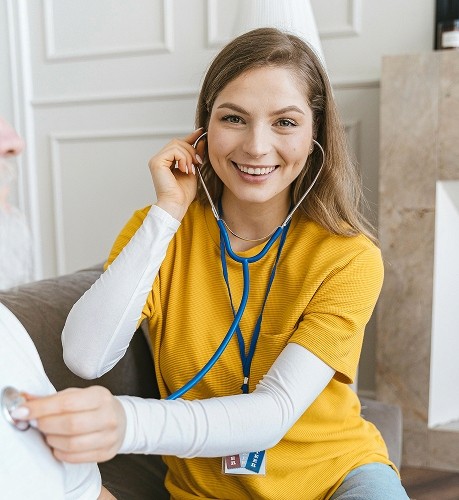
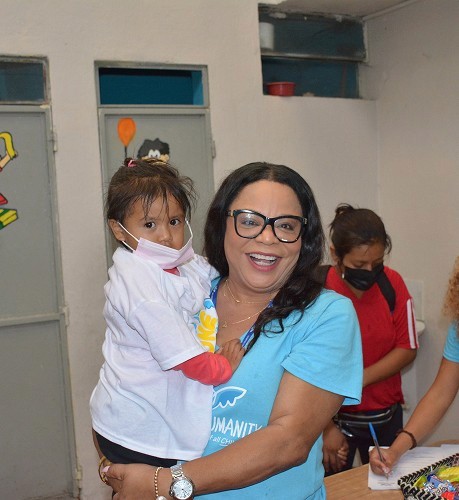
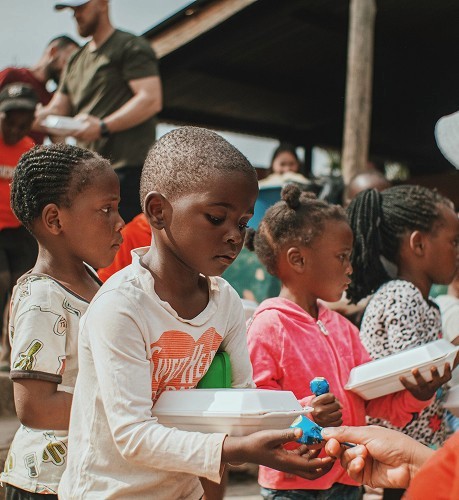

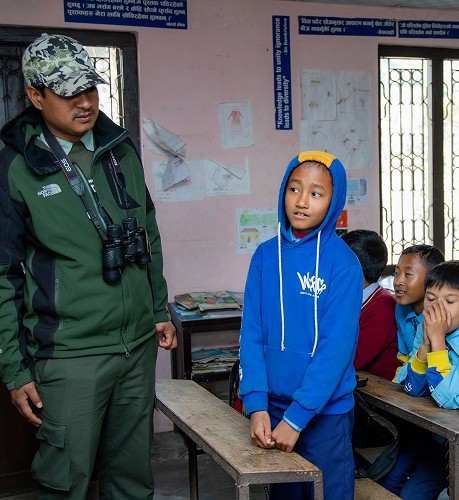
Understanding the Challenge:

Many newborns are born too early or too small and require specialised care and follow-up. Infections, delayed care-seeking, and limited awareness of danger signs continue to put babies at risk. Mothers often face challenges linked to poor nutrition, anemia, missed health check-ups, and limited support during pregnancy and after childbirth.
At the same time, frontline health workers are frequently stretched across large populations, follow-up care after hospital discharge can be inconsistent, and families may not always have the information or resources needed to care for vulnerable newborns.
We work with hospitals to improve newborn care and strengthen service delivery. We mentor and support frontline workers so they can identify risks early and provide better care. We engage families and communities with practical knowledge on newborn health, breastfeeding, nutrition, and early care-seeking. And we collaborate closely with the public health system to build sustainable solutions that can continue long after individual projects end.
We also introduce simple innovations, practical tools, and community-driven approaches that help bridge the gap between hospital care and care at home.


